
Best Web Design Companies for Contractors in Ontario
A contractor’s website should help turn local searches into qualified job inquiries, even when your crew is out on site. The Best Web Design Companies for Contractors in Ontario vary in how they handle lead capture, local SEO and follow-up. Here are ten options, starting with IronSpur Web Services, plus the questions to ask before signing.
Table of Contents
Cowlick Studios Web Design: A local web design option to assess
Kinex Media: An Ontario agency to compare for contractor projects
Contractor website checklist: leads, local SEO and hiring red flags
1. IronSpur Web Services
IronSpur Web Services provides managed web design, SEO and AI-powered lead acquisition for businesses across Ontario. It’s built for trade owners who want more than a site launch: the service combines lead capture with automated follow-up, appointment booking and CRM integration.
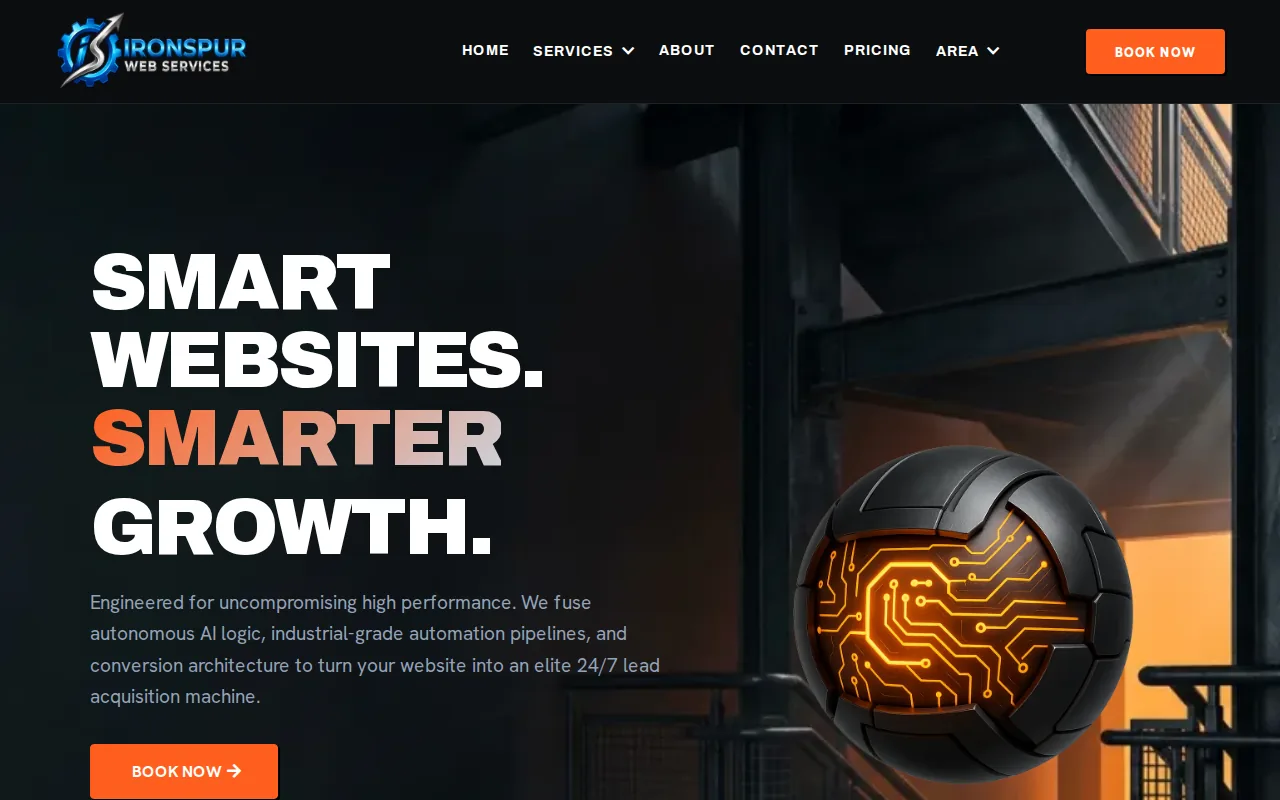
For a contractor, that can mean a homeowner submits a quote request while you’re on a job, then the inquiry is routed for follow-up instead of sitting in an inbox.
The plans pair setup fees with monthly charges: Starter is CA$1,000 setup plus CA$149 per month, Growth is CA$2,000 plus CA$299 per month, and Elite is CA$3,500 plus CA$599 per month. The plans differ in included website edits and automation scope, so ask which work is covered before you choose. Pricing should be weighed against the actual lead workflow you need, not against page count alone.
Contractors serving Burlington, Hamilton or nearby towns can also review IronSpur’s Burlington web and lead-generation services as they assess local coverage. We’d put this first for a business that wants its site connected to lead handling, rather than treating launch as the finish line.
2. Azuro Digital: Agency-grade website rebuilds
Azuro Digital may suit a contractor seeking an agency-grade rebuild without an agency-sized invoice. Before requesting a proposal, outline what the current website needs to do better, such as securing qualified inquiries or making it easier to request a quote.
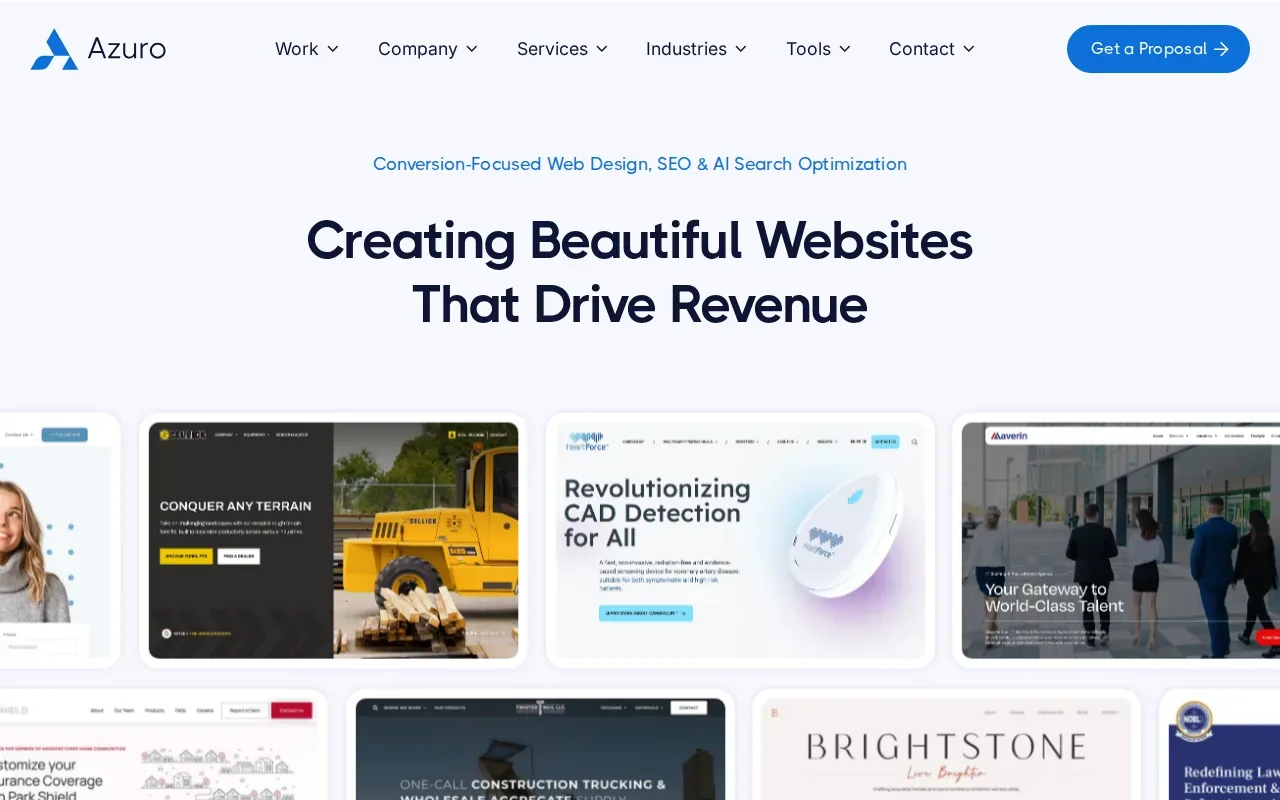
Ask what the proposed rebuild includes, how the work will support lead capture, and how results will be measured after launch. Be clear about which services and locations the website needs to cover, and what a successful inquiry looks like for your business.
Also confirm whether you need a full rebuild or a smaller repair, and discuss how the project will fit your budget and timeline. Clear answers will help you decide whether the proposed scope suits your contracting business.
3. nanushi: Custom web apps and automation
nanushi works with custom web apps and AI integrations. It may fit a trades business that has outgrown a basic template and needs a more tailored online workflow.
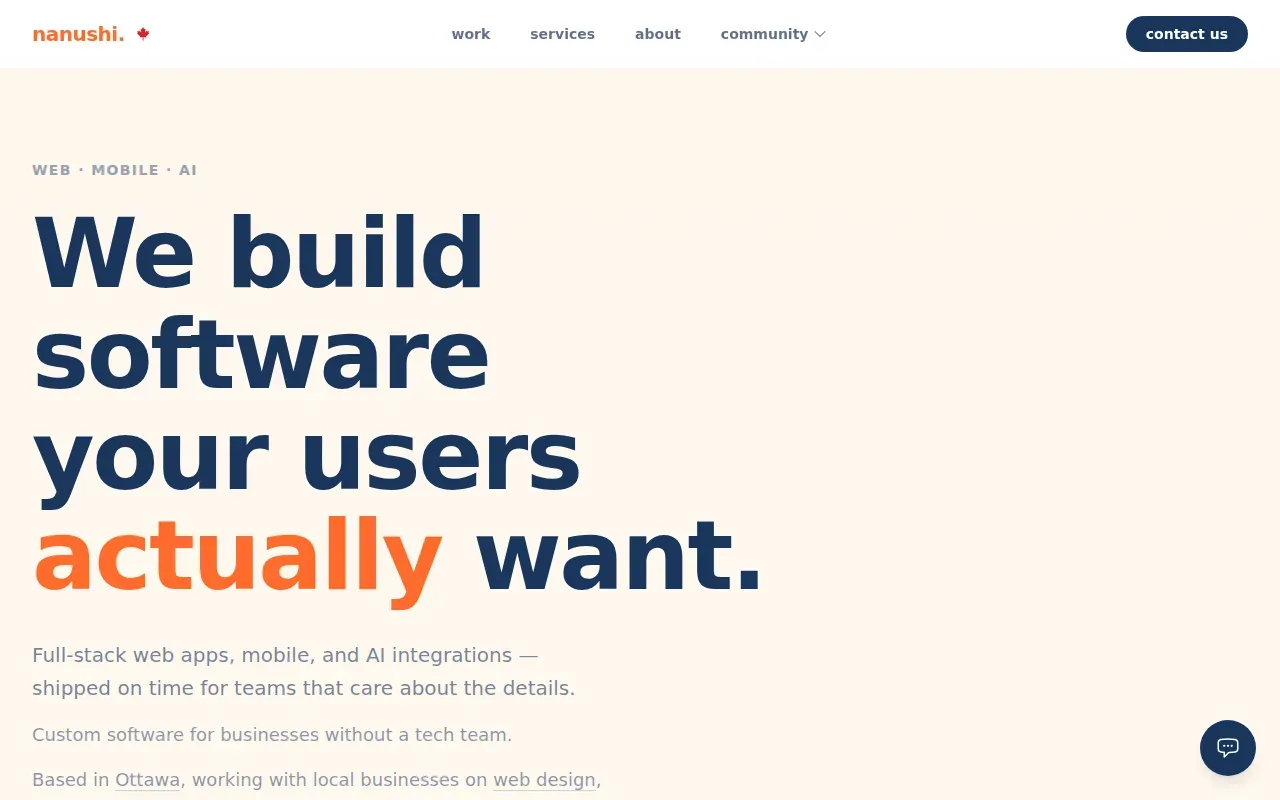
Its work includes chatbots and automation pipelines, which can suit a trades business looking to add online booking. These tools can help when your inquiry process needs more than a simple contact form. Online booking can give customers a way to choose an available time.
Custom web-app development may be worth considering when a basic template no longer meets your needs. Before a first meeting, map out what information a lead must submit, who reviews it, and what should happen next.
Custom software needs a well-defined scope. Ask which parts are built specifically for your company, what your team can update after launch, and how new requests will affect the project. If all you need is a clear service site with a quote form, a custom app may be more build than the job calls for.
4. Soap Media: Websites tied to lead generation and ads
Soap Media is a digital agency option for contractors who want a website tied to a broader lead-generation and advertising plan. Soap Media offers SEO as part of coordinated lead generation with ads.

This approach can make sense when your site is one part of a paid campaign. A landing page for roof repair, for instance, should match the ad that brought the visitor there. The service, location and next step need to line up, or the click may not turn into a useful inquiry.
Before committing, ask how the agency will separate paid leads from organic inquiries in reporting. Find out who owns the ad accounts and site content, and what happens to campaign data if you change providers. Those details affect your ability to judge cost per qualified lead, rather than counting every form submission as a win.
Soap Media’s stated fit is broader lead generation and ads, so compare its proposed work with the day-to-day needs of your operation. If your main issue is missed follow-up after a form is submitted, make sure the proposal addresses that process, not only traffic acquisition.
5. QuartzAgency: A trades and contractor focus
QuartzAgency is an Ottawa-based web design agency focused on trades, contractors and local service businesses across Canada. The stated fit includes work such as HVAC, plumbing and construction, making it one of the more directly trade-focused names in this shortlist.
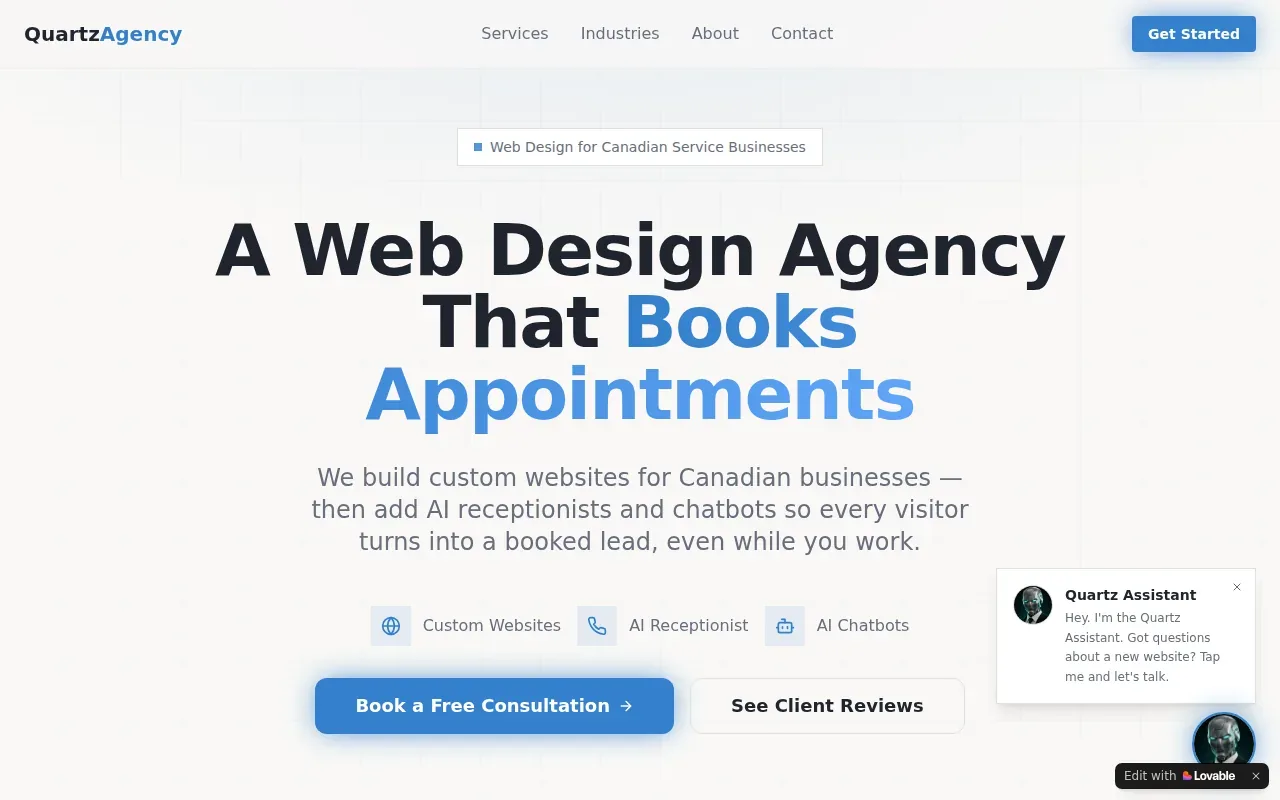
Its described SEO work includes city-level local SEO, technical setup, and content and site-structure optimization. For a contractor serving several towns, a sound structure can help visitors find the right service information without forcing every job type onto one page. Ask how the agency would decide which locations get their own useful pages.
QuartzAgency also describes an AI receptionist that answers calls around the clock, along with an AI chatbot that captures leads and books appointments. Those tools may suit a business where crews are often unable to respond right away. Still, confirm how a lead is handed off to your staff and what information the system records. Automation only helps if the team can act on the inquiry.
Ask to see a sample lead path before work begins: a customer submits a request, the system records it, and the right person receives it. That walk-through can expose gaps in routing before they cost you a job.
6. WebZylo: Custom design with SEO and automation
WebZylo is a Toronto web design and development agency that builds custom websites with SEO foundations, branding and automation to help businesses generate more leads. It may suit a contractor who wants the site and related systems planned as one project.
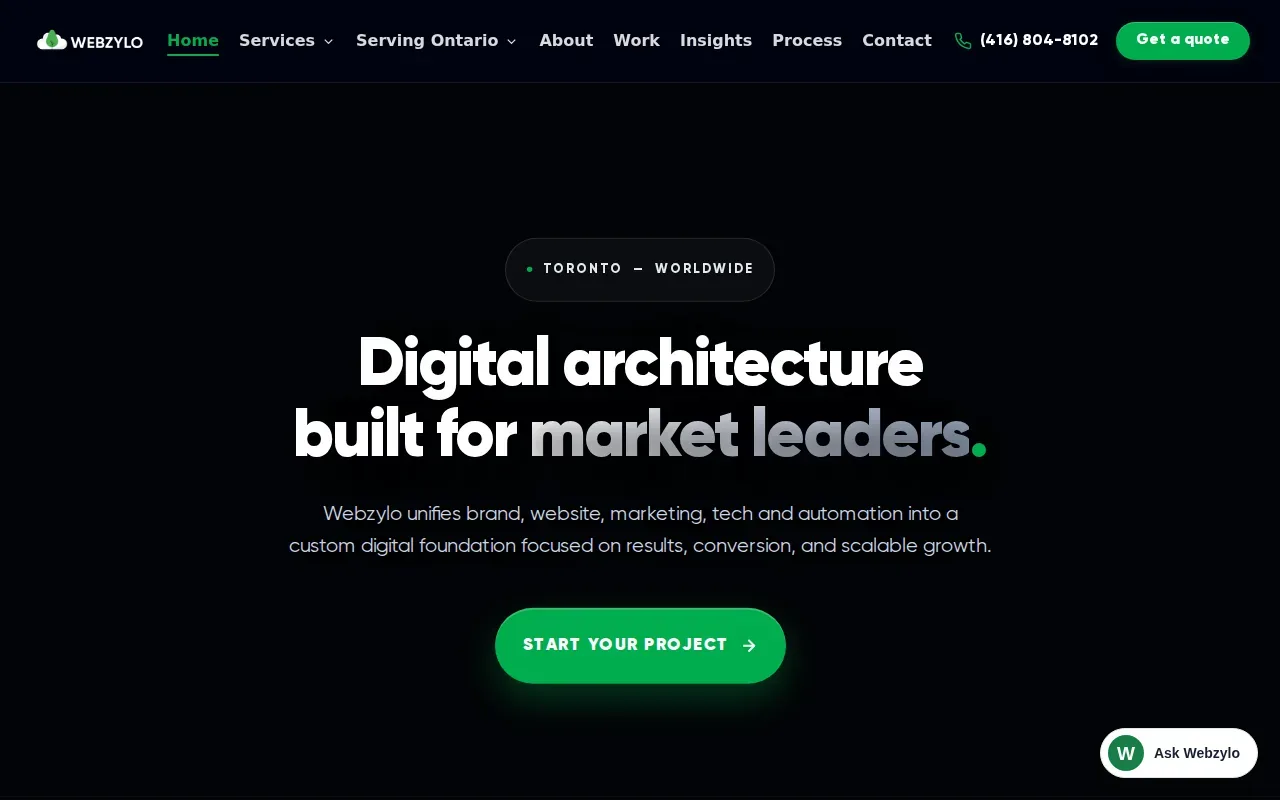
When discussing a project, ask how the proposed website and automation will help generate and manage inquiries, bookings and follow-ups. Consider whether the current pages explain each service clearly and whether inquiries require too much manual sorting. These are useful points to raise when deciding what the project should address.
Before agreeing to a project, clarify what you will own and be able to manage after launch. Ask about access to site files, content, analytics and any third-party accounts, and what changes your team can make. A clear agreement can help avoid a handoff where the new site is live but your team can’t manage basic changes.
For a contractor, the useful test is whether the plan connects site structure to a real sales task. Can a homeowner reach the right service page, see relevant work and send a request without hunting? If the answer is clear, the proposal is grounded in the way customers hire.
7. Aeth Digital: Web, SEO, ads and automation for services
Aeth Digital works with service-based businesses across Toronto and the GTA, providing web design, SEO, ads and automation. Contractors who want one provider for several marketing tasks may want to compare its scope with their current setup.
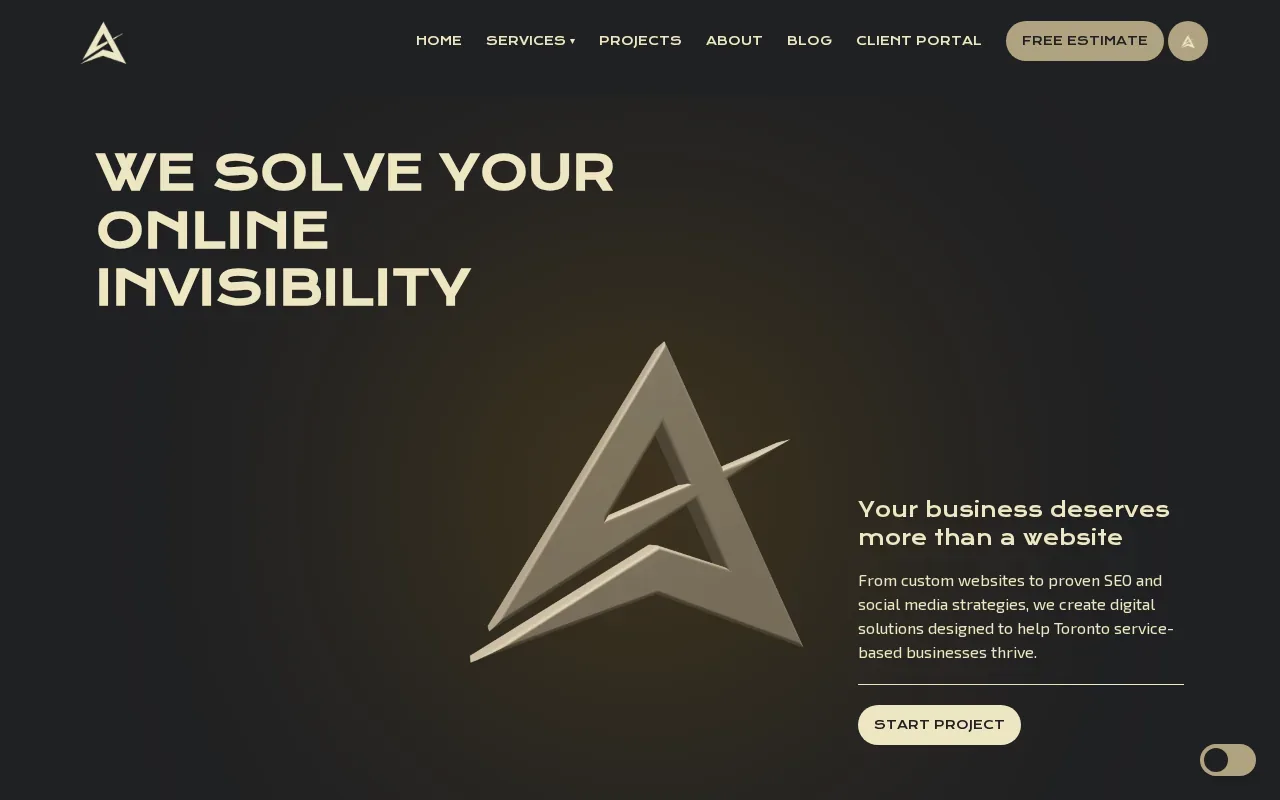
For a contractor, that mix may be relevant when a new site needs to work alongside paid search rather than sit apart from it. Before hiring, confirm which services are included and how the work will connect to your business goals.
Ask what “automation” means in the actual proposal. Does it capture quote requests, route them to the right person or support follow-up? Get the workflow written down. Also ask how ad performance will be reported, and whether a lead is counted as qualified only after someone confirms the service area and job type.
Request a written breakdown that separates the website build from SEO, ads and automation. Ask what each part includes and how results will be reported. That makes it easier to compare bids without treating different packages as if they contain the same work.
8. NetMatic Technologies: Conversion-focused web design
NetMatic Technologies builds websites with a focus on conversion, web development and SEO for growth-focused businesses. Its stated offer includes a free consultation, which can help you outline the project before deciding on a scope.
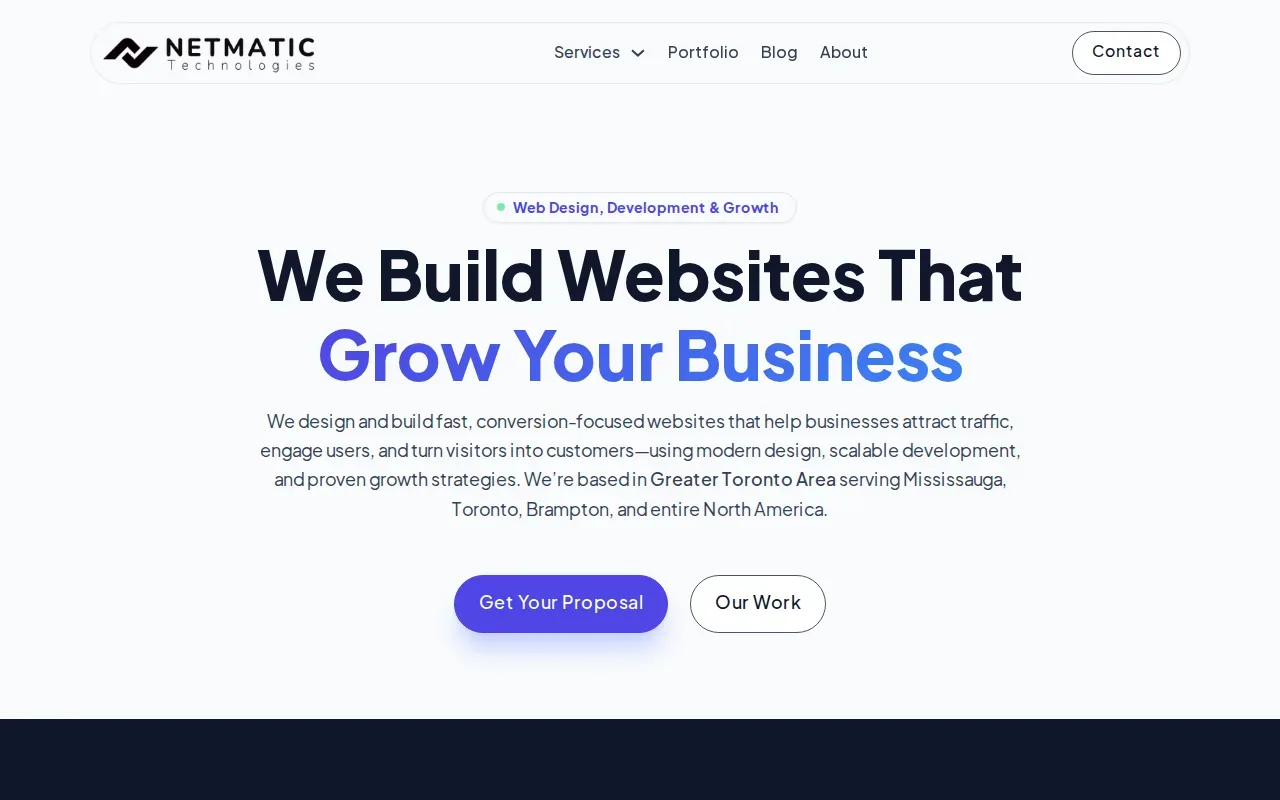
For a contractor, “conversion-focused” should lead to specific design choices: a clear quote request, service details that answer common questions, and a visible way to contact the business. Ask the team to explain how it would reduce friction for a homeowner who has found your site on a phone and needs to know whether you handle their type of job.
Discuss the SEO foundation in plain terms. Which pages will target which services? What site information will help search engines understand the business? How will you track calls, forms or booked appointments after launch? Those questions turn general claims into work you can review.
NetMatic is a fit to assess if your priority is a site designed to turn visits into leads. Make sure the proposal also describes who maintains the site and what happens when your services or coverage areas change.
9. Cowlick Studios Web Design: A local web design option to assess
Cowlick Studios Web Design is an Ontario web design provider based in Leamington. Contractors can use an initial conversation to clarify the proposed project and check whether it addresses the needs of their business.
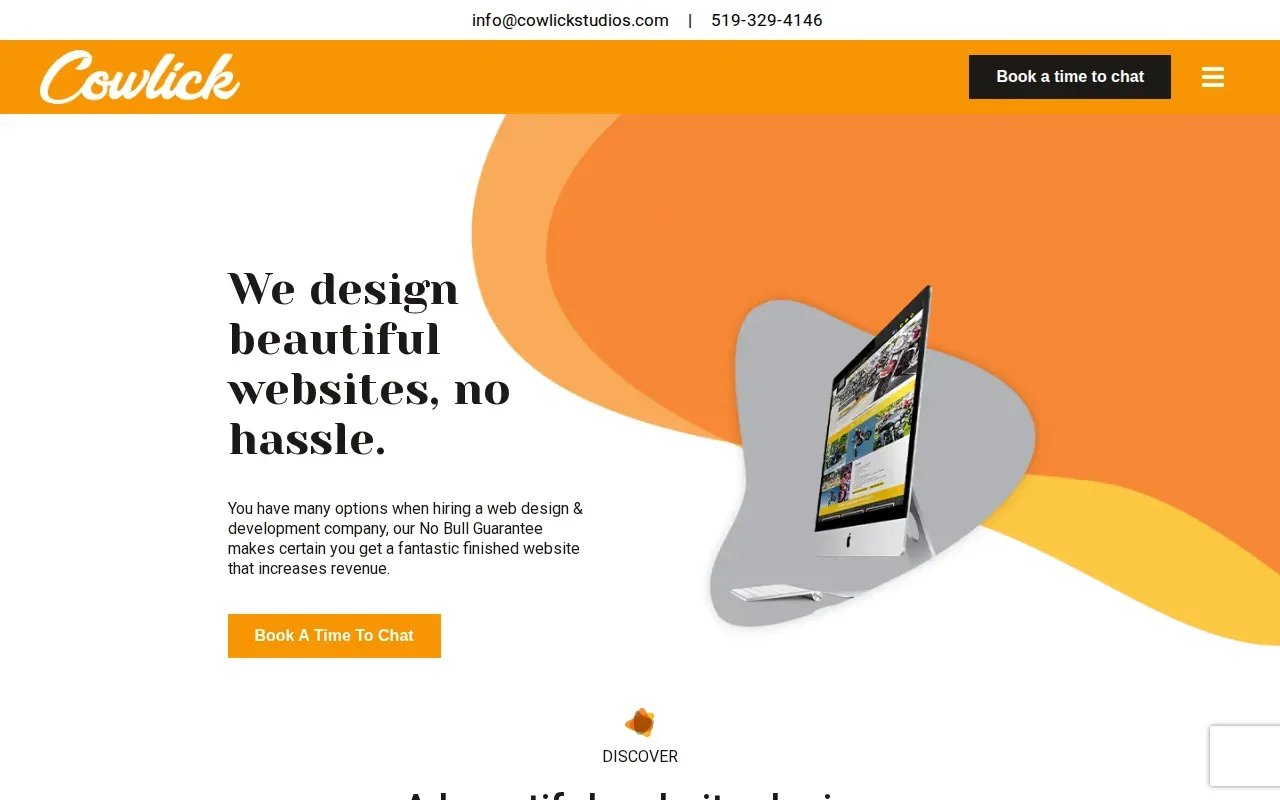
Ask whether the project will cover service pages, quote requests and the way the business wants to handle updates. Clarify what training or support is included for updates, and how the site’s technical setup can support your local search plan. The answers should tie back to the actual services and places you serve.
Before choosing, ask how the project will be scoped, what information you need to provide and what happens before launch. Compare the proposed lead path and ongoing responsibilities with your own workflow. Consider how the website will help secure qualified inquiries and fit the way your team handles follow-up while working in the field.
10. Kinex Media: An Ontario agency to compare for contractor projects
Kinex Media is a full-service web design and digital marketing agency that works with businesses in Canada and the United States. Its services include custom websites, development, technical and on-page SEO, and digital marketing.
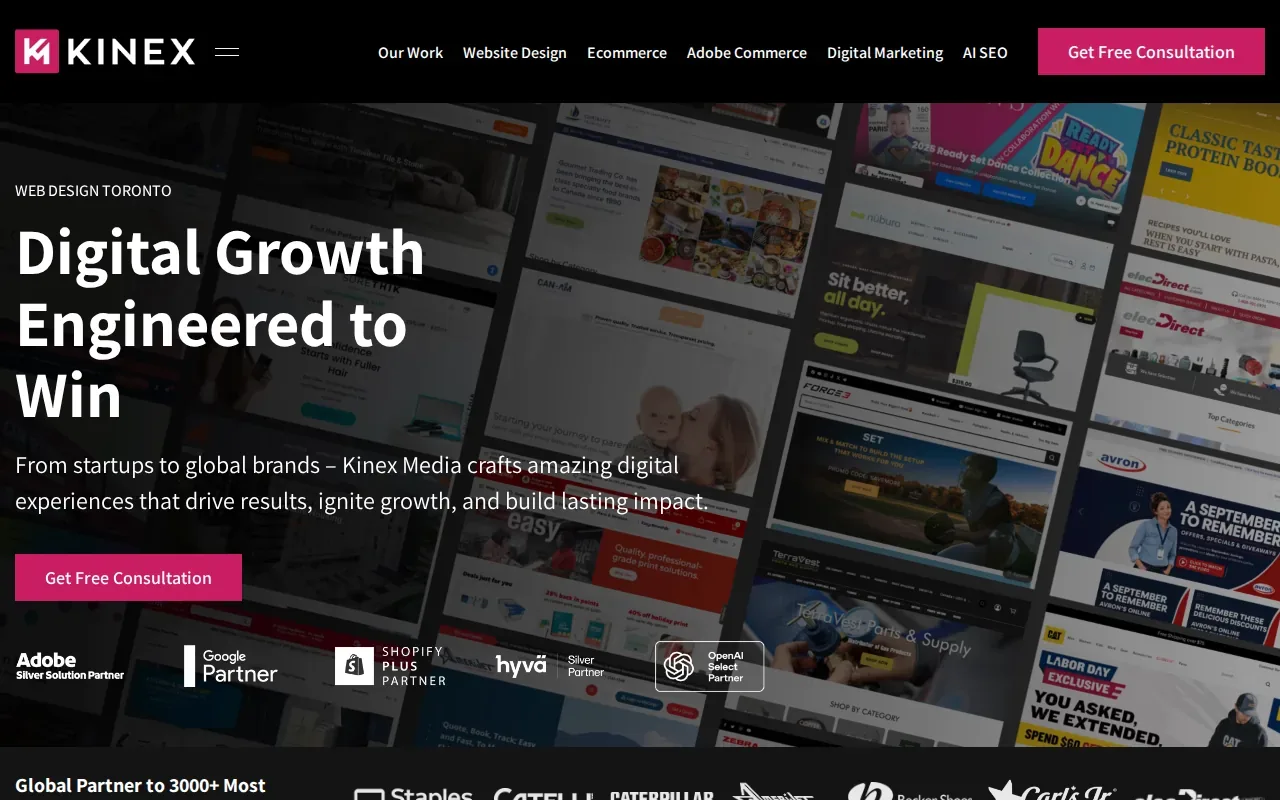
The company describes work for B2B and B2C businesses, as well as larger ecommerce and corporate projects. Contractors should ask how the team would adapt that broader experience to their own lead process. A home-services site has different needs from an online store: a customer may need to check a service area, understand the job type and request an estimate.
Before signing, ask how the proposed work will support your lead process, what baseline will be used, and how inquiries will be tracked once the site launches.
It’s worth comparing Kinex Media when you want an agency with web and marketing services under one roof. Keep the decision tied to your scope, the team assigned to the work and the lead measures in your agreement.
Compare the companies: fit, scope and cost questions
These providers don’t all describe the same type of project. Use this table to shortlist by the work you need, then ask each provider to quote the same scope. That gives you a fairer comparison than looking at a headline fee alone.
Company | Stated fit or strength | Ask before hiring |
|---|---|---|
IronSpur Web Services | Managed web design, SEO, lead capture, automation and CRM integration | Which plan covers your lead routing and follow-up needs? |
Azuro Digital | Custom rebuilds with SEO, content and technical work | Does the project require a full rebuild? |
nanushi | Custom web apps and AI integrations | Does your workflow need custom software? |
Soap Media | Websites tied to SEO, ads and lead generation | How will paid and organic leads be tracked? |
QuartzAgency | Trades-focused web design with local SEO and AI lead tools | How will leads move from the system to your team? |
WebZylo | Custom websites, SEO foundations and automation | What assets and accounts will your business own? |
Aeth Digital | Web, SEO, ads and automation for service businesses | Which services are included in the written scope? |
NetMatic Technologies | Conversion-focused websites, development and SEO | How will calls and forms be measured? |
Cowlick Studios Web Design | Custom WordPress website design and development | What updates can your team manage after launch? |
Kinex Media | Web design and digital marketing for a range of businesses | How will the plan fit a contractor’s quote workflow? |
Cost depends on what you’re buying. Page count is only one part. Copywriting, local SEO, content for each service area, booking or quote tools, CRM links and ongoing support can change the scope. Compare proposals line by line.
Ask for the same details from each firm: deliverables, launch responsibilities, site ownership, monthly fees and how a lead will be tracked. If one quote includes automated follow-up and another covers only design, they aren’t like-for-like offers.
We recommend IronSpur Web Services for contractors who want a managed site connected to lead capture and CRM follow-up. If your need is a one-time rebuild without automation, compare the rebuild-focused options against that narrower scope instead.
Contractor website checklist: leads, local SEO and hiring red flags
A contractor site needs to answer a customer’s first questions quickly: do you do this work, do you serve this area, and how can I request an estimate? A useful project gallery can show the type of work you take on. Pair each service page with a clear next step, rather than sending every visitor to a generic contact page.
For local search, align your Google Business Profile with the services and locations on the website. Build a page for each major service you provide. Add a location page only when it can offer genuine information about that service area, not a repeated template with a town name swapped in. Technical SEO can include accurate page titles, a crawlable structure and structured data that matches the page content.
Put trust details near the point where a customer is ready to act. Use real project photos and reviews you have permission to share. Explain your work process. If licensing, insurance or warranty details apply to your business, make them easy to find before a visitor submits a request.
Lead capture: Test every form on a phone and confirm where each inquiry goes.
Follow-up: Decide who responds when the office is closed or crews are on site.
Mobile use: Check that key pages load and quote requests work on a small screen.
Tracking: Measure qualified inquiries and booked work, not just visits.
Be wary of a proposal that promises top rankings or a set number of jobs without explaining the work behind the claim. A second red flag is a vague scope that leaves ownership, monthly costs or lead tracking unresolved. Ask for the steps, in writing, before paying a deposit.
Pro Tip: Submit a test inquiry before launch. Confirm the notification arrives, the details are readable, and a staff member knows who owns the follow-up.
Local visibility also depends on consistency. A contractor serving Hamilton, Stoney Creek and nearby communities should keep service details aligned wherever customers find the business. IronSpur’s Stoney Creek service page is one example of location-specific service framing. Use that kind of page only where it matches the places you truly serve.
Key Takeaway: Judge a contractor website by the path from local search to a tracked, qualified inquiry, not by the launch alone.
Pro Tip: Ready to stop losing after-hours inquiries? Book a free strategy session with IronSpur Web Services to map your website and lead workflow.
Frequently asked questions
What should a contractor’s website include?
A contractor’s website should clearly explain its services, service area and quote-request process. Add a page for each main service, real project photos and reviews you can share, plus a form that works on mobile. Make sure inquiries reach the right person. If you track the path from inquiry to booked work, you can judge whether the site is helping your sales process.
How much does a contractor website cost in Ontario?
The cost depends on the pages, copy, SEO work and added functions in the project. IronSpur Web Services publishes plans starting at CA$1,000 setup plus CA$149 per month, with larger plans at higher setup and monthly fees. Compare the exact deliverables and recurring charges. A design-only quote is different from a managed lead system with automation.
Does a contractor need local SEO?
Local SEO can help customers find a contractor when they search for a service in a nearby area. Start with accurate business details and a Google Business Profile that matches the site. Give each core service a clear page, then add location content only when it is genuinely useful. No agency can promise a specific ranking from those steps alone.
Should my contractor website connect to a CRM?
A CRM connection can help your team track inquiries after they arrive. It’s most useful when you have several people handling estimates, need to assign leads, or want to see whether a request became booked work. Before hiring, ask which fields transfer, how routing works and who will test the connection. Make sure the workflow fits your current sales process.
Can a website reduce reliance on paid lead platforms?
A website can give customers a direct way to learn about your services and contact your business, while local search can help them find it. That doesn’t mean paid lead platforms must disappear. Compare the cost and quality of each lead source, and track which inquiries turn into suitable jobs before changing your mix.
What are red flags when hiring a web design company?
Be cautious of guaranteed rankings, promised job counts without a clear basis, and proposals that don’t define ownership or ongoing fees. You should also know how leads will be measured and who handles follow-up after launch. Ask for a written scope with deliverables and milestones. If a provider can’t explain the work in plain language, pause before signing.
Conclusion
For Ontario contractors who want a managed website tied to lead capture, follow-up and CRM integration, start by comparing IronSpur Web Services’ plans with the workflow you need. Your next step is to map one typical inquiry from first visit to booked estimate, then ask providers to show exactly how their proposed system handles it.